by Shimeon Lee, policy analyst
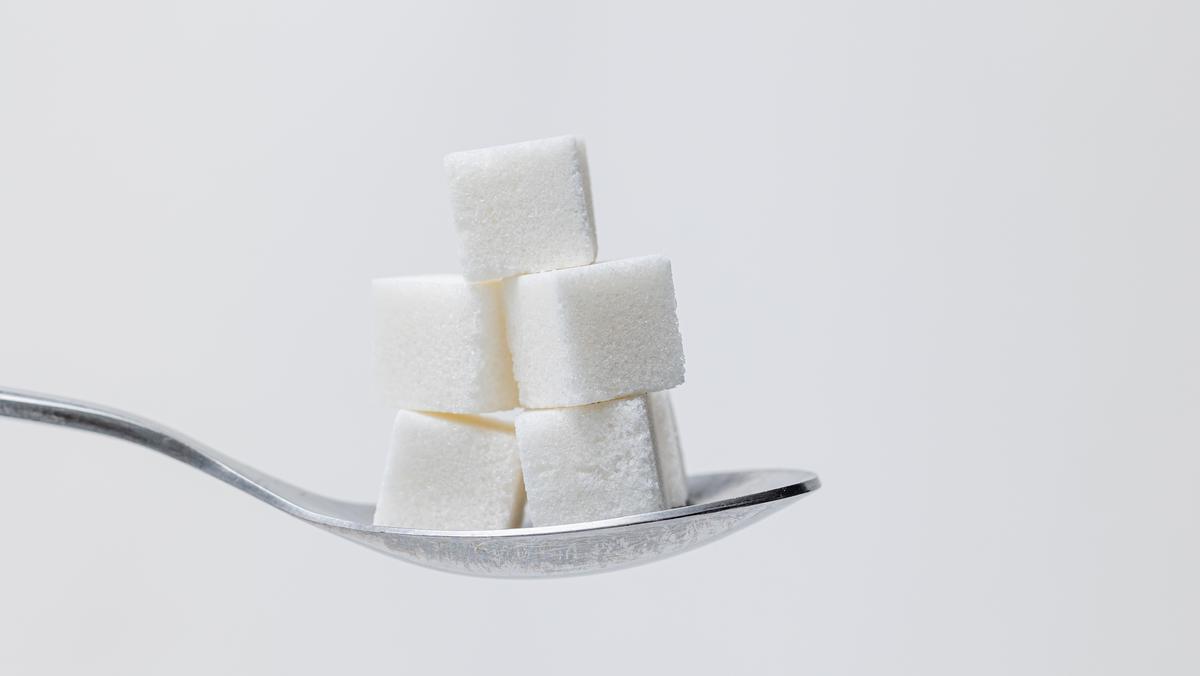
Statistics on the Soft Drinks Industry Levy (SDIL), better known as the sugar tax, were released this week showing receipts down for the second consecutive year, with £327 million collected in 2024-25 down from £338 million in 2023-24.
Originally introduced in 2018, the tax was pitched as a health measure to reduce obesity and the burden it imposes on the publicly funded healthcare system. Ministers pledged that “every penny” raised would be invested in programmes tackling childhood obesity. Yet this was quickly abandoned with the sugar tax now just another revenue stream for the state.
The tax exemplifies the inherent contradiction of the nanny state, which seeks to simultaneously coerce people into making “good” choices, even as it is dependent on people continuing to make “bad” ones to fuel its growth.
The sheer range of taxes meant to curtail consumers’ choices is shocking, from air passenger duty, which puts holidays out of reach, to the plastic packaging tax which drives up shopping bills. In 2023-24, sin taxes totalled £38.8 billion, mainly from alcohol (£13.1 billion) and tobacco (£10.4 billion) duties.
But as consumers and producers adapt, these taxes have shown themselves to be volatile. The decline in alcohol and tobacco use in younger generations have left a £14 billion hole in the public finances. This reveals the fundamental, unsustainable problem with relying on sin taxes for state revenue. It creates a perverse incentive for the government. To bankroll its expanding list of spending solutions, it must perpetually invent new “sins” to tax.
Already there are calls to extend the sugar tax on drinks to food, and to tax salt on top of that which could cost taxpayers £4.8 billion. Vapes, which were supposed to be a healthier alternative to help people quit smoking, will soon be taxed as well. Even electric cars, once the epitome of climate virtue, have now been made subject to vehicle excise duty.
At the same time we have seen an ideological push to punish those who seek alternatives to the state system. Labour’s raid on private school fees punished parents who want a better education for their children, something that there were calls to replicate in private healthcare as well before the intervention of the health secretary. It is not inconceivable that private health care or education will one day be treated as “sins” that need to be eradicated just like smoking or drinking.
Ironically, this will mean greater strain on public services. Private school pupil numbers fell by 11,000 following Labour’s tax raid, pushing more children into the state sector and creating more expenditure that needs to be paid for, which will inevitably be used to justify the next moral crusade.
The steady expansion of the state to cover all aspects of our lives has opened the door to ever-tightening interventions in personal choices. It is a slippery slope that starts with restrictions on advertising (including adverts being forced to replace hot dogs with cucumbers), then taxes to change behaviour, then an outright ban as we have already seen with tobacco and plastic straws.
The only real solution is to nip this problem in the bud and empower individuals by holding them responsible for the consequences of their choices, thereby removing the state’s justification for intervention altogether. Adults are more capable of understanding the risks of salt, sugar, tobacco and alcohol and should not be treated like children. Nor should those who manage their vices in a healthy way be penalised for the failings of others.
A state obsessed with eradicating sin should remember the original sin of big government, curtailing the freedom of its people.